1. Browse verified inventory
Search Carvia's marketplace by vehicle type, condition, price, Export Ready Score, and destination compatibility. All listed vehicles are linked to certified exporters.
How to Buy / Import Guide
A step-by-step guide for overseas buyers importing Chinese vehicles through Carvia. From browsing verified inventory to registering your vehicle at home — what to do at each stage.
Why buyers choose China
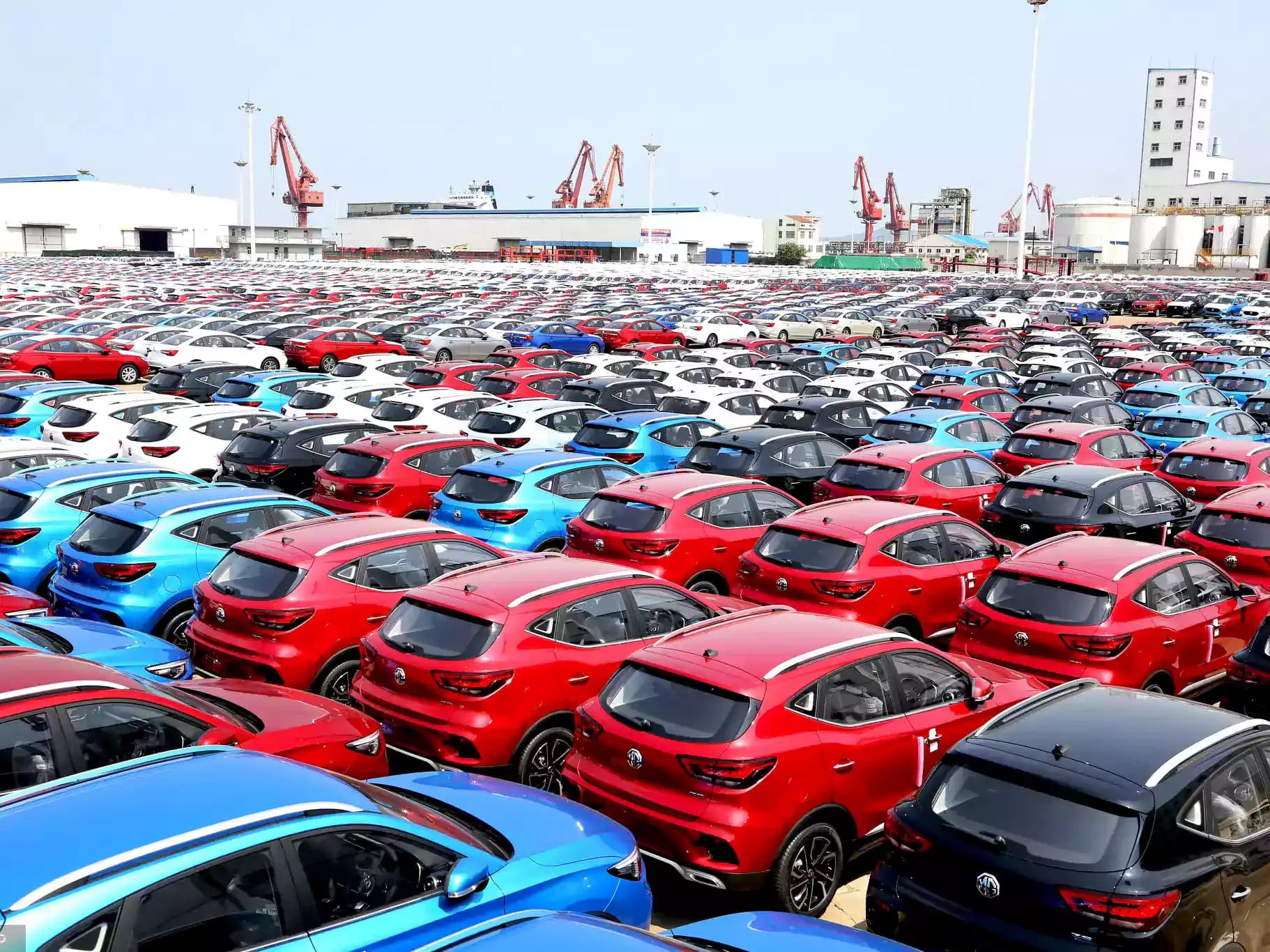
China's vehicle manufacturing scale, competitive pricing across all segments, rapid EV technology advancement, and mature export infrastructure make it one of the world's most significant vehicle sourcing markets for overseas buyers.
8 steps
Search Carvia's marketplace by vehicle type, condition, price, Export Ready Score, and destination compatibility. All listed vehicles are linked to certified exporters.
Select a vehicle and submit a quote request. The platform routes your inquiry to the relevant certified exporter, who confirms availability and prepares a structured offer. No direct buyer-to-seller contact.
The certified exporter provides current photos, condition summary, Export Ready Score, CIF or FOB pricing, and proposed Incoterms. Review the vehicle passport before accepting the quote.
Check local vehicle age limits, emissions standards, steering-side rules, and EV-specific authorization requirements before confirming the order. Your certified exporter can advise on known destination-country rules.
Vehicle price, freight, marine insurance, destination-port customs duties, import taxes, inland transport, storage fees, and local registration costs all contribute to landed cost. Get a full breakdown before committing.
With your certified exporter, confirm RoRo or container shipping based on destination port capability and vehicle type. Agree on Incoterms (FOB, CIF, CFR) that define who handles freight booking and insurance.
Your local import agent or customs broker handles destination-side clearance using the Bill of Lading, commercial invoice, packing list, certificate of origin, and any country-specific permits. The certified exporter provides all required export documents.
After arrival, complete destination-country vehicle inspection, emissions testing, insurance, and registration procedures. Keep all export and shipping documents on file for the local registration process.